Geography and topography are common terms frequently encountered in news stories and geography classrooms. Nevertheless, we rarely take a moment to ponder over the distinction that sets Geography apart from Topography.
Geography and Topography
Geography versus Topography: these two terms are commonly interchanged, yet they hold distinct meanings.
Geography entails the comprehensive examination of Earth’s surface, encompassing oceans, islands, and various natural attributes. Conversely, topography centers on the physical characteristics of the Earth or the cartography of these attributes. Topographic maps are pivotal in comprehending geography as they unveil the diverse terrains present on our planet.
Geography delves into the natural divisions and features of Earth that impact humanity, including rivers, mountains, and other environmental elements. In contrast, topography refers to the elevation of a geographic area.
Geographers scrutinize how assorted geographical features influence human-made structures like roads. A notable disparity arises in the fact that while topography often fixates on these human constructs, geography takes a broader perspective, analyzing these aspects within a larger context.
Comparing Topography and Geography
The significance of topography often goes unnoticed in our exploration of the environment, yet it holds immense importance. Topography involves the measurement and examination of Earth’s physical surface. This practice holds the potential to forecast weather patterns, erosion rates, and other vital facets of our planet that profoundly impact daily life.
A considerable number of individuals are unaware that their day-to-day existence is influenced by topography due to a lack of understanding about its mechanisms. A common query that arises is whether topography and geography share similarities. Topography encompasses the physical contours of a location, including mountains, valleys, plains, and deserts. Additionally, it extends to human-made structures like buildings and roads. On the other hand, geography focuses on mapping diverse areas on the Earth’s surface, encompassing oceans, continents, and rivers. This field examines the distribution of natural elements such as flora, fauna, soil composition, climate zones, and more.
Does Topography Fall Within the Domain of Geography?
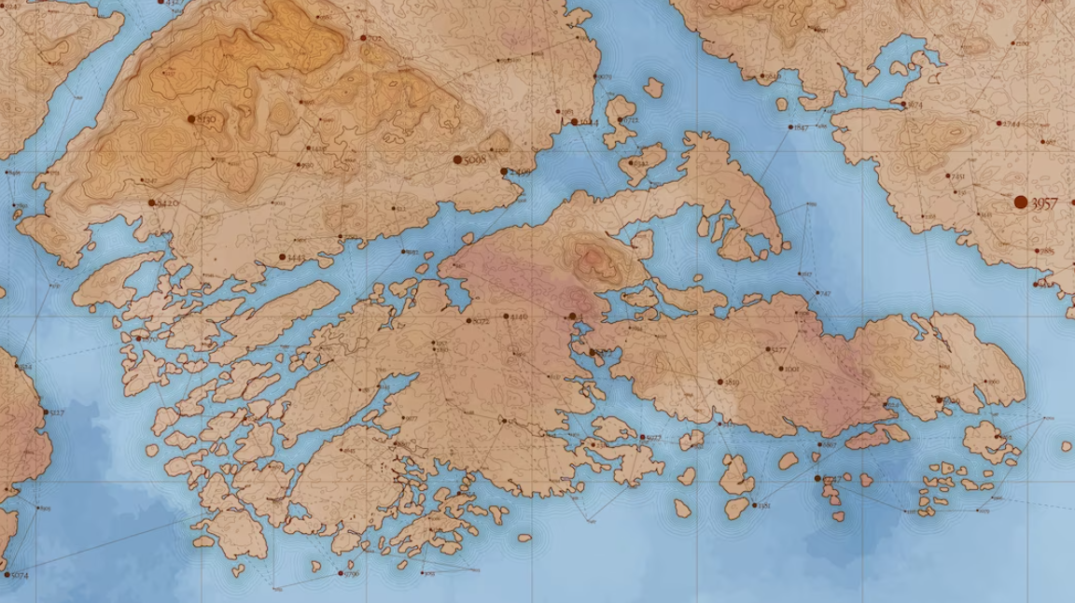
Topography characterizes the physical attributes of a region. Geographers engage in the study of these attributes, including mountain ranges and valleys, to ascertain their integration into the broader landscape.
- Yet, how can we discern elements that constitute the landscape? This is where topography’s significance in geology becomes evident. Topography encompasses not only the Earth’s surface but also encompasses natural features on this surface, such as water bodies, vegetation, and minerals;
- Is Topography Part of Geography? For many decades, this question has been a subject of ongoing debate. Certain individuals assert that topography constitutes a component of geography, whereas others hold a differing perspective. Nevertheless, the classification of topography within geography or not doesn’t alter the undeniable reality that it wields significant influence over the environment and human lifestyles.
Across numerous regions of the globe, the natural landscape is composed of topographical elements including mountains, hills, valleys, and plains. Often, these topographic attributes have the potential to substantially reshape the local climate. For instance, in various corners of the world, mountains facilitate the cooling of air due to their elevated altitudes compared to their surroundings. The heightened elevation causes air from the neighboring areas to descend, thus enabling cooler temperatures. Additionally, mountains in numerous locations instigate the formation of wind currents. These prevailing wind patterns prompt air to follow the route of least resistance, invariably directing it towards the mountainous regions.
Distinguishing Between Geography and Topography
- Geography encompasses the comprehensive exploration of Earth’s surface, its characteristics, and its inhabitants. Geographers delve into the utilization of land and natural resources by humans, examining factors like climate, population density, and the distribution of natural assets;
- Topography, on the other hand, refers to the depiction of physical attributes present on the Earth’s surface, including mountains, valleys, plains, and rivers. It’s a term also employed to illustrate the positioning of structures on maps or aerial photographs.
The primary distinction between geography and topography lies in their focal points. Geographers primarily concentrate on human interactions with the environment, whereas topographers direct their attention towards the physical characteristics of the Earth’s terrain.
Geography and Topography: Contrasts and Comparisons
| Terms | Geography | Topography |
|---|---|---|
| Definitions | Geography is the study of the Earth’s surface and the humans and physical features on it. Geography studies Earth’s surface and human interactions with its physical features. This multidisciplinary field spans natural to social sciences, investigating patterns of utilization, changes, and movement within the Earth’s context. It also examines the spatial distribution and reasons behind human settlements and migrations. | Topography is the study of the shape and features of the surface, encompassing both natural and man-made elements like mountains, valleys, rivers, and buildings. |
| Scope | Earth | Any land, Earth, or any planet |
| Study Area | Study of the Earth’s features | Shape of land, including relief and terrain |
| Related Terms | Geographer, Geographic, Geographical | Topographer, Topographic, Topographical |
Conclusion
To sum up, the contrast between geography and topography lies in their focus: geography pertains to Earth’s physical attributes, while topography concerns itself with the relief or surface variations. Geographers primarily delve into human interactions and the environment, whereas topographers emphasize comprehending changes in the landscape over time.