Topography emerges as the intricate contour of a terrain, a masterpiece crafted through an interplay of diverse natural forces. The Earth’s topography has evolved across epochs, meticulously sculpted by the rhythmic dance of wind, the fluid brushstrokes of water, and the gradual rise of geological marvels, exemplified by the majestic presence of mountains. Human hands, too, bear influence upon the canvas of Earth’s topographical canvas, with the lasting imprints of weathering etching an enduring saga. Within the realms of this blog post lies a purposeful narrative, an educational voyage navigating through the myriad tapestries of topography, empowering you to unravel the enigma of your world’s variegated visage.
Exploring the Significance of Topography in Geography
In the intricate tapestry of Earth’s natural features, topography emerges as a fundamental physical characteristic that wields a profound influence on our daily existence. Embodied within the contours of our surroundings, it encompasses an array of elements ranging from gentle hills to steep slopes and soaring elevations. This intricate interplay of landforms is more than mere geographical artistry; it stands as an orchestrator of climatic nuances and a sculptor of landscapes, wielding the power to mold the very essence of an area.
Beyond its aesthetic allure, topography serves as a cornerstone across an array of disciplines, etching an indelible mark on the annals of human survival. As civilization forges forward, the pragmatic utility of topography assumes a paramount role. It emerges as the silent architect behind construction blueprints, lending precision to the blueprint of urbanization while doubling as a shield against nature’s unpredictable wrath. Topography’s intricate dance with nature offers invaluable insights into disaster mitigation, notably in the taming of rampaging floods that, when unchecked, can lay waste to human habitation.
However, the historical resonance of topography resounds even more resplendently. Beneath its undulating waves and jagged peaks lie telltale imprints of Earth’s journey through time. This silent chronicler unveils the geological saga scripted by glaciers of yore, etching tales of inundation and erosion that shaped the contours of bygone eras. Delving into topographical archives unveils a vivid narrative of epochs long past, unveiling the landscapes that bore witness to the embrace of ancient ice ages.
Unveiling the Variegated Facets of Topographical Diversity
Diving into the diverse tapestry of topography, a symphony of forms, textures, and elevations weaves an intricate narrative of Earth’s surface. Each brushstroke on this canvas is a landform, an eloquent expression of the terrain’s ever-shifting dance. Behold the grandeur of mountains that aspire to touch the heavens, valleys that cradle life’s myriad wonders, and plains that stretch like whispered promises across the horizon.
Textures, another strand in this topographical tapestry, bear testament to the surface’s tactile dialogue with time. They mirror the dialectic between highlands and lowlands, as nature’s hand shapes the very fabric of the land. The caress of wind over undulating dunes or the tender meanderings of a river etching its legacy into the soil – these textures chronicle tales of resilience and adaptation etched across the terrestrial tableau.
Rising above these intricate brushstrokes, elevations ascend to the fore, underlining the vertical symphony of our planet’s contours. Echoing the eternal ebb and flow, they articulate the grand chorus of heights above sea level, offering a tangible measure of Earth’s majesty. Whether lofty pinnacles or gentle undulations, elevations are the orchestral notes that compose a harmonious melody resonating across the globe.
Exploring the Enigmatic Karst Topography: A Subterranean Wonderland
Karst topography, an enchanting geological phenomenon, unfurls its captivating features predominantly in arid regions adorned with porous rock formations like limestone and sandstone. This mesmerizing landscape is a realm of natural wonders, adorned with sinkholes that mysteriously appear like celestial craters, intricate caves that weave tales of subterranean mysteries, and streams that perform vanishing acts. But how does this intricate dance of nature come to life?
The Genesis of Karst Marvels:
The inception of karst topography is an intricate tale of water’s artistry and geological alchemy. The journey commences with a geological process called degassing, an elegant filtration ballet where water permeates through sediment-laden rock formations. This delicate interaction births minute fissures within the rocks, setting the stage for the grand symphony to follow. Over time, this ballet evolves into a dissolution duet, with water and rock as the star performers. The rocks, under the persistent caresses of water, gradually yield, crafting exquisite voids within the sediments. As the waters meander through these hollow galleries, they bestow upon them traces of their passage – dissolved salts that linger as ethereal echoes of their presence. This mesmerizing act of karstification, which commenced eons ago, persists to grace our planet with its enigmatic beauty.
A Tapestry Woven in Stone:
Karst topography’s entrancing tapestry emerges through the deposition of water-soluble limestone. As this aqueous artist interacts with the rocks, a transformational dance begins. The limestone, succumbing to the enchantment of water’s touch, dissolves into the liquid embrace, giving birth to a subterranean symphony of limestone-rich groundwater. This aqueous harmony, infused with a subtle touch of acidity, dances across the land, encountering rocks along its journey. A chemical minuet transpires as the acidic waters engage with the rocks, their union resulting in an elegant dissolution ballet. Over time, this intricate choreography etches a mesmerizing story onto the surface – a captivating landscape riddled with enchanting sinkholes, alluring caves adorned with nature’s artistry, and clandestine underground streams that whisper secrets only to those who dare to listen.
Unveiling the Karst Gallery:
In the heart of karst landscapes lies a treasure trove of geological marvels, each a testament to the water’s patient artistry. Caves, those mystic gateways to the Earth’s inner sanctum, adorn these landscapes with their enigmatic allure. Perched high upon hilltops, these celestial cathedrals of nature bear witness to the relentless dance of water and rock.
Springs, crystalline tears of the Earth, emerge as oases amidst this rocky terrain, gifting life to flora and fauna alike. Sinkholes, resembling nature’s own stargates, punctuate the land like secret passages to the unknown, inviting intrepid explorers to venture into their depths. Gorges, carved by the patient caresses of water, reveal the tales of time etched in their intricate layers. And as the rainwater descends, infused with the whispers of carbon dioxide from decaying plants, it weaves a chemical sonnet with the soil, creating an acidic embrace that coaxes the rocks to reveal their vulnerabilities in the form of delicate cracks.
Mountain Topography: Unveiling the Majestic Landscape
A mountain range, an awe-inspiring symphony of towering peaks and graceful valleys, stands as a masterpiece of Earth’s artistic expression. Each range is a testament to the geological forces that have sculpted our planet over eons, a canvas painted with the passage of time.
In the world of grandeur, the towering pinnacle of Mount Everest reigns supreme, touching the sky with an unparalleled sense of elevation. Everest’s eminence is further magnified as it graces the Himalayas, a colossal tapestry stretching its majestic threads across the borders of India, Nepal, Pakistan, Bhutan, and China. This monumental mountain range, a crossroads of cultures and ecosystems, whispers tales of resilience and adaptation.
At the heart of a mountain’s character lies its topography—a multifaceted terrain that weaves an intricate tale of climate and challenge. As altitude ascends, weather conditions become increasingly dramatic, presenting an enticing challenge to those daring enough to scale these heights. The peaks that crown these landscapes, veiled in frost and shadow, carve a domain where only the most audacious adventurers dare tread. Yet, as elevation yields to moderation, the climate takes on a milder temperament, a welcoming embrace for those who choose to dwell on these undulating slopes.
The topography etched upon a mountain’s visage serves as a geological narrative, a chronicle of ancient upheavals and enduring fortitude. A precipitous incline, ascending with purpose from valley to summit, could unveil the tale of granite—a rock defiant against the relentless forces of erosion. It’s a story of resistance, of a stone that endures the test of time, shaping the very landscape we marvel at today.
Mountains and Hills: The Symphony of Geological Evolution
Imagine the Rockies, a masterpiece painted by the patient brushstrokes of erosion, deposition, and uplift. These towering sentinels, crafted over a symphony of millions of years, are the grand result of an orchestration that transcends time itself.
Mountain formation is no sudden crescendo; it’s a lyrical ballet that unfolds from the depths beneath. The foundations, hidden from our gaze, lay the groundwork for the artistic spectacle above. As the dance commences, erosion emerges as the choreographer, shaping the land beneath. With every touch of nature’s hand, sediment is tenderly laid, crafting new realms upon which the mountains shall rise.
Yet, in this ballet, tectonic plates play a mesmerizing role, their movements akin to a divine conductor guiding the symphony. Beneath the aquatic expanse, where sea and land intermingle, these plates pivot and shift, orchestrating the rise of continents. Water emerges as a celestial lubricant, an ethereal maestro that eases the journey of the plates and sediments. In this harmonious partnership, mountains begin their ascent, a testimony to the interplay of elements that birthed their grandeur.
Elevation and Vegetation: A Dynamic Dance of Nature’s Artistry
In the intricate tapestry of Earth’s landscapes, elevation and vegetation emerge as pivotal brushstrokes, crafting distinct masterpieces in every natural realm. A symphony of elements, each locale unveils a harmonious blend of these two variables, showcasing the dance between altitude and flora. The play of rainfall and temperature at varying heights orchestrates a mesmerizing spectrum of plant life, akin to a living kaleidoscope.
As one ascends or descends, a botanical kaleidoscope unfurls before the beholder’s eyes. This vertical voyage triggers an exquisite transformation in plant communities. Soil moisture, that precious lifeblood, ebbs and flows like a musical rhythm, as it weaves its influence through the verdant carpet. Sunlight, nature’s paintbrush, casts its brilliance with shifting intensity, illuminating the intricate dance of photosynthesis. Winds, both gentle and fierce, whisper secrets of resilience and adaptation as they traverse altitude gradients.
Valleys: Nature’s Amphitheaters of Flowing Symphony
Valleys, nature’s amphitheaters, unveil a captivating drama where water takes center stage. These enigmatic landscapes, often dubbed “drainage basins,” emerge as water’s rendezvous points, where raindrops and melting snow converge in harmonious union. A mesmerizing choreography unfolds as liquid streams gather momentum, tracing their winding path through the undulating terrain.
Guided by gravity’s invisible hand and the gentle curvature of the land, waterways sculpt their destiny. A symphony of fluid motion plays out, echoing the eons-long tango between Earth’s elements. The waters’ mesmerizing embrace of depressions, both natural and artfully carved, leads to their transformative journey away from the basin’s embrace.
Plains and Plateaus: Nature’s Canvas of Sublime Serenity
In the enchanting panorama of Earth’s contours, plains and plateaus emerge as serene chapters of a poetic saga. A tranquil expanse stretches before the observer’s gaze, where elevation surrenders to placid horizons. This topographical ballet is a testament to the artistry of nature, where the brushstrokes of altitude remain gentle and the rhythm of change is a gentle lullaby.
Enter the realm of the Great Plains, where the horizon becomes both canvas and muse. Rolling hills, sculpted by time’s patient hand, punctuate an otherwise expansive canvas. A symphony of elevation, minimal yet profound, shapes an undulating portrait that whispers stories of prairie winds and nomadic spirits.
Glaciers: Frozen Sculptors of Earth’s Majestic Landscape
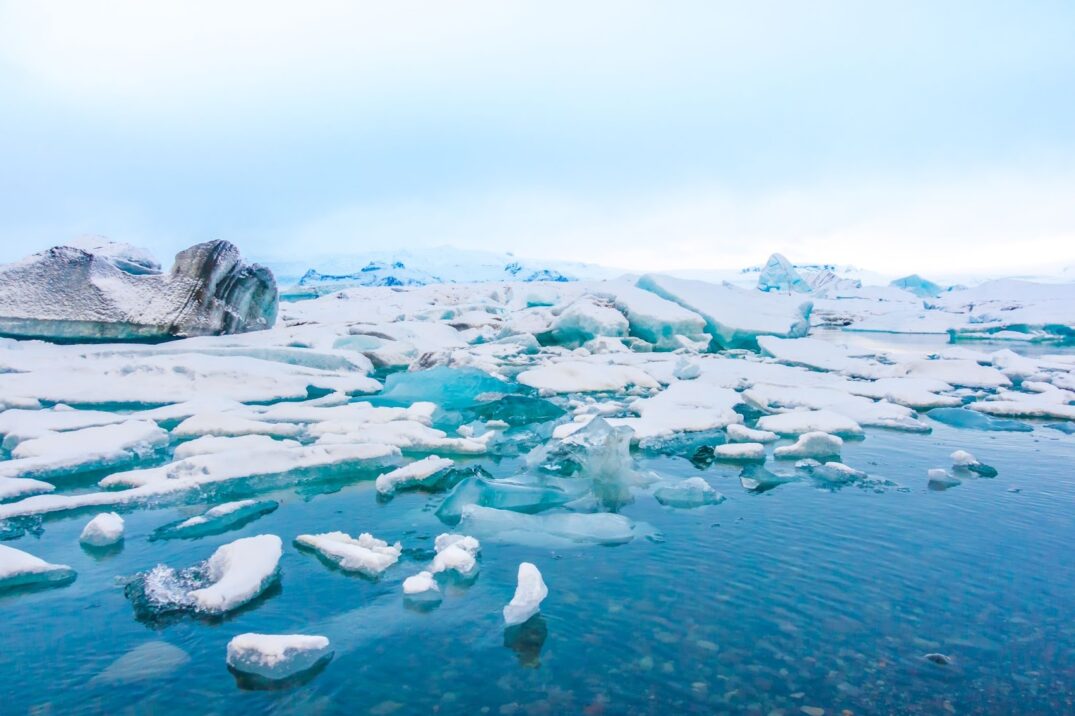
Glaciers, those magnificent behemoths of ice, emerge through the patient accumulation of snowfall, transformed over time into dense, frozen expanses. These frozen giants form a unique and diverse topography, a canvas painted by the interplay of various shapes, sizes, and textures. The dance of a glacier’s contours is a symphony conducted by its own relentless motion, intricately woven with the ebb and flow of climate fluctuations over epochs. A glacier’s visage can metamorphose into an array of enchanting forms, from the sleek, undulating surface of a frozen river to the fierce, jagged countenance of a frozen fortress. Some glaciers even emulate the craftsmanship of nature, sculpting their surroundings into dramatic amphitheaters or an ascending cascade of ice-carved stairs, as if inviting us to ascend their frozen heights.
Delving into the microcosm of glaciers, we discover the delicate intricacies of their existence. Amidst their grandeur, diminutive glaciers, like the rilles on the lunar surface, carve their presence with a nuanced touch. Rilles are etchings upon the glacier’s skin, furrowed by the tender embrace of flowing water, gracefully sculpting the icy tapestry. The realm of glaciers, while immense, is a vital fragment of Earth’s intricate mosaic, orchestrating a profound influence on the landscape.
Illustrative Instances of Topography
The concept of topography extends beyond mere visual impressions; it encompasses hydrology (the intricate dance of water) and meteorology (the art of weather). Understanding how these external influencers impact natural phenomena such as erosion, deposition, and growth is of paramount importance.
Familiar to the general populace, relief maps epitomize a form of topography that resonates deeply; they artfully encapsulate the undulating majesty of hills, valleys, precipices, canyons, lakes, oceans, rivers, and roadways, among other features.
Deciphering the Tapestry of Topography
At the forefront of topographical comprehension lies the preeminent method of utilizing a topographic chart, an intricate cartography unveiling the tapestry of high and low altitudes across regions.
Numerous variables converge to delineate topography, encompassing factors like the degree of volcanic activity within a locale, the proximity of geological faults, the embrace of neighboring mountain ranges, and the intertwining presence of rivers and lakes.
- The stature of adjacent mountains furnishes invaluable cues pertaining to the composition of the surrounding terrain;
- Should volcanoes grace a slope, they might bestow lofty summits or sunken hollows upon it;
- In proximity to geological faults, valleys may come into existence as nature’s artistic response;
- Flourishing plains tend to find their abode in the vicinity of river deltas, where the land undulates with a gentle grace.
Conclusion
In wrapping up, it holds paramount significance to grasp that topography stands as an indispensable component of geography, elucidating the intricate formation of the terrain in a specific locale. Topography encompasses diminutive characteristics of the land, encompassing undulations and depressions, as well as grander traits like meandering rivers and towering peaks. The comprehension of topography could potentially facilitate individuals in attaining a heightened perception of the environment encircling them.